
Fiancé & K-1 Visas
Bringing your partner home — with the law on your side.
The K-1 fiancé visa is one of the most romantic-sounding categories in immigration law and one of the most procedurally demanding. It is not a single petition. It is a sequence of three coordinated proceedings that span an international consular process, a domestic civil ceremony, and a follow-on adjustment of status — each with its own evidentiary requirements, its own deadlines, and its own pitfalls. A single mistake at any stage can derail the entire process. Done correctly, the K-1 reunites couples and builds the foundation for a permanent life together.
What the K-1 is and how it works
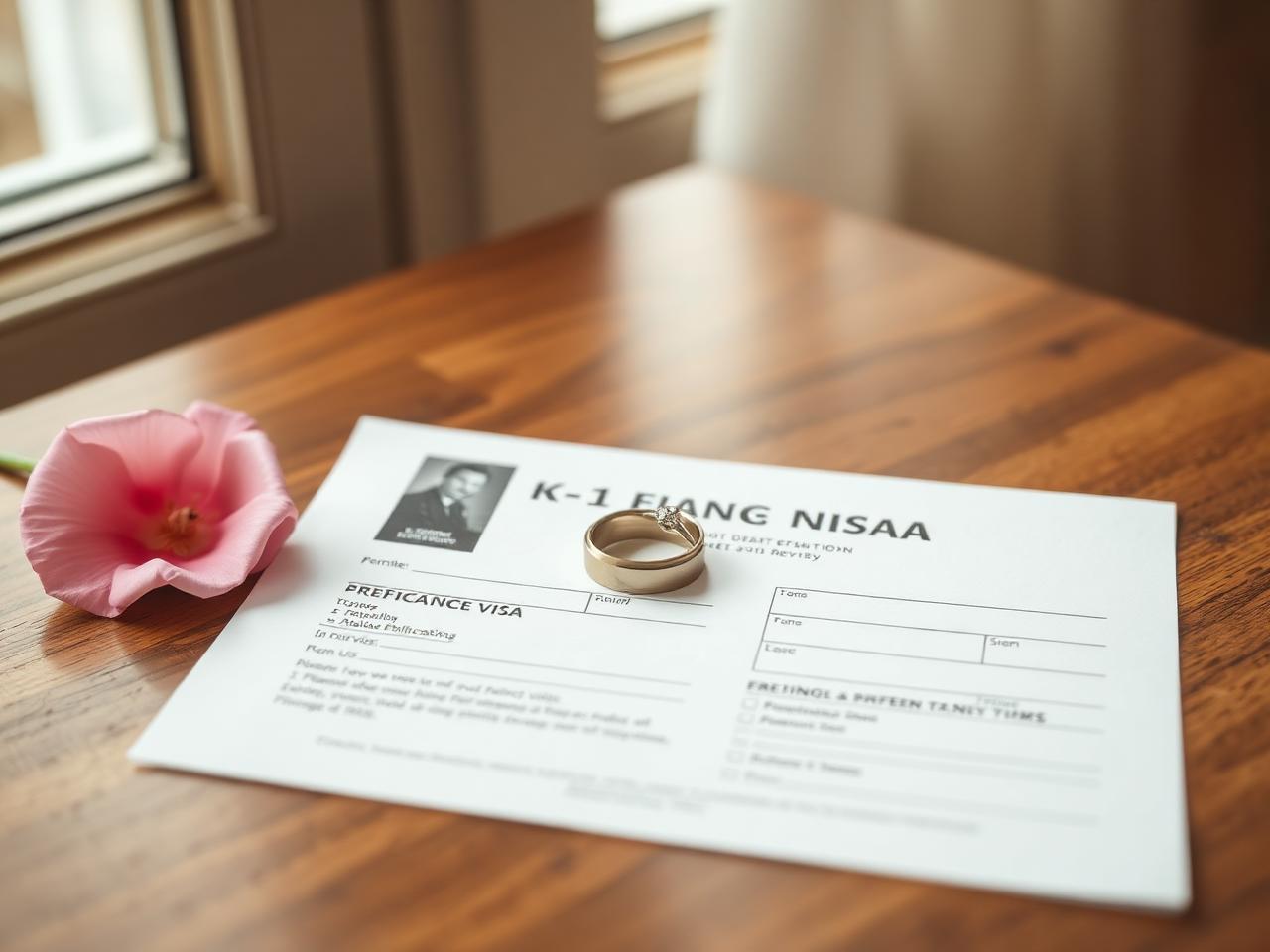
The K-1 nonimmigrant visa allows a United States citizen to bring a foreign-national fiancé to the United States for the purpose of marriage. The petition is filed by the U.S. citizen with USCIS as Form I-129F, and it must establish that the petitioner and the beneficiary are legally free to marry, that they have a bona fide relationship, and that they have met in person within two years of the filing. Once approved, the petition is forwarded to the National Visa Center and then to the U.S. consulate or embassy in the beneficiary's country, where the K-1 visa itself is issued after a consular interview.
Upon entry to the United States on the K-1, the couple has ninety days to marry. After the marriage, the foreign-national spouse files Form I-485 to adjust status to lawful permanent resident. Because the marriage occurs less than two years before the green card is granted, the initial residency is conditional, and removal of conditions through Form I-751 is required before the second anniversary of the green card. The full sequence — petition, consular processing, marriage, adjustment, removal of conditions — typically spans two and a half to four years.
The bona fide relationship — and how it must be documented
Both USCIS and the consular officer evaluating the K-1 application will scrutinize whether the relationship is bona fide — meaning a real, ongoing engagement entered into for the purpose of marriage rather than for immigration benefits. That evaluation begins with the I-129F petition, which requires evidence of the relationship, evidence of the in-person meeting within the prior two years, and a coherent personal account from each party.
We build the relationship evidence carefully across the timeline of the relationship. Communications history — text messages, video calls, social media exchanges. Travel records — boarding passes, hotel reservations, photographs from each visit. Financial intermingling where it has begun — joint expenses, gifts, support. Statements from family and friends who know the couple together. The record is then maintained throughout the process, because the consular interview will revisit the same questions in the beneficiary's home country, and adjustment of status after the marriage will revisit them again.
Consular processing and the K-1 interview
Once the I-129F is approved, the case is transferred to the appropriate U.S. consulate or embassy for the K-1 visa interview. The beneficiary attends the interview in their home country, presents the required civil documents — birth certificate, police clearance, medical examination — and answers questions from the consular officer about the relationship, the planned marriage, and the beneficiary's intent to enter the United States.
We prepare the beneficiary in detail for the consular interview. We review the questions that are likely to be asked, identify the documents that should be brought, and address any country-specific concerns the consulate is known to raise. Where the beneficiary's documentation requires special handling — adoption decrees, prior marriages, complex residency history — we ensure the record is complete before the interview rather than after a refusal under section 221(g). Successful K-1 consular processing depends on preparation as much as on the strength of the underlying relationship.
After arrival — the ninety-day clock and the marriage
Once the beneficiary enters the United States on the K-1 visa, the couple has ninety days to marry. The marriage must be performed in the United States, must comply with state law, and must produce a marriage certificate that will be filed with USCIS as part of the subsequent adjustment of status application. If the couple does not marry within ninety days, the beneficiary is required to depart the United States; the K-1 visa cannot be extended.
We work with our K-1 clients in the days and weeks after arrival to ensure that the marriage takes place within the window and that the documentation is in order for the adjustment filing. For couples whose plans require flexibility — religious ceremonies, family travel, scheduling around work or military deployments — we identify approaches that comply with the ninety-day requirement while accommodating the family's reality.
Once the beneficiary enters the United States on the K-1 visa, the couple has ninety days to marry. The marriage must be performed in the United States, must comply with state law, and must produce a marriage certificate that will be filed with USCIS as part of the subsequent adjustment of status application. If the couple does not marry within ninety days, the beneficiary is required to depart the United States; the K-1 visa cannot be extended.
— Law Offices of Scott Gordon, PC
Adjustment of status after the marriage
After the marriage, the foreign-national spouse files Form I-485 to adjust status to lawful permanent resident. The adjustment application is supported by the marriage certificate, the I-864 affidavit of support from the U.S. citizen spouse, the medical examination, and the bona fide marriage evidence. An employment authorization document and an advance parole travel document can be filed concurrently, allowing the spouse to work and travel while the case is pending.
The adjustment interview, typically held at the local USCIS field office four to ten months after filing, is the final step before approval. Both spouses attend, and the officer evaluates the marriage on the basis of the documentation and the interview itself. Because the case is built on the same bona fide relationship that supported the K-1 petition and the consular interview, our preparation has been continuous — and the adjustment interview is the third opportunity for the same well-developed record to do its work.
Conditional residency and the I-751 removal of conditions
Because the marriage occurred less than two years before the green card was issued, the initial permanent residency is conditional. The conditions must be removed through a joint petition, Form I-751, filed in the ninety-day window before the second anniversary of the green card. The petition requires renewed evidence of the bona fide marriage — financial intermingling, joint property, joint travel, and statements from people who know the couple — covering the two-year period of conditional residency.
Where the marriage has ended in divorce, where the U.S. citizen spouse has died, or where the foreign-national spouse has been the victim of abuse, a waiver of the joint filing requirement is available. Each waiver category has its own evidentiary requirements and its own strategic considerations. We handle joint I-751s and waiver-based I-751s with the same level of preparation, because the consequences of denial — loss of permanent residency and possible removal proceedings — are too significant to leave anything to chance.
One firm, one continuous file
The strength of our K-1 practice is continuity. We are not handing the case off to a different lawyer at each stage. The same office that prepares the I-129F petition prepares the consular interview package, the adjustment of status application, and the I-751. The relationship evidence is built once and refreshed at each milestone. The communication is consistent across the years the case will run.
We are with our K-1 couples from the first conversation through the day they file for naturalization. That arc — from a long-distance engagement to a settled life with permanent residency and eventual citizenship — is one of the most rewarding parts of an immigration practice, and it is the reason so many of our clients refer their friends and family members to our office for the same work.
Related Immigration Law services



Every case starts with a conversation.
Whether it's a charge that won't wait or an immigration matter that's been weighing on you, talk to Scott directly. Confidential. No obligation.
- 35+ years of trial experience
- Available 24/7 for urgent matters
- 5.0 rating on Avvo · 179 reviews