

Adjustment of Status (Green Card)
From inside the U.S. to lawful permanent resident.
Adjustment of status is the process by which an eligible immigrant becomes a lawful permanent resident — a green card holder — without having to leave the United States. On its face, the process can look straightforward. In practice, it is one of the most consequential filings an immigrant will ever make, and one that USCIS approaches with increasing scrutiny. The decisions made at every stage — what to file, what to disclose, how to address prior history, how to prepare for the interview — shape not only the outcome of the application but the future of the immigrant's family in this country.

Who can adjust, and on what basis
Adjustment of status is available to certain immigrants who are physically present in the United States, who have been inspected and admitted or paroled, and who are the beneficiary of an approved or concurrently filed visa petition. The most common bases are family-based — through a U.S. citizen spouse, parent, child, or sibling — and employment-based, through a labor certification or extraordinary ability petition. Humanitarian categories, including asylum, refugee, U-visa, T-visa, and VAWA, provide additional pathways.
Not every eligible person can adjust within the United States. Section 245(i), an older provision, grandfathered certain applicants who would otherwise be barred. Section 245(c) bars adjustment for many people who entered without inspection, who worked without authorization, or who fell out of status. The eligibility analysis is technical, and getting it wrong means filing a case that USCIS will deny — or worse, refer to removal proceedings. Our work always begins with a careful audit of eligibility before any form is signed.
The eligibility audit — finding the issues before USCIS does
Before we file an adjustment case, we conduct a detailed audit of the client's complete history. That includes every immigration filing the client has ever made, every entry and exit from the United States, every employment authorization issued, every period of status, every criminal contact, every tax filing year. We obtain a copy of the A-file under FOIA where it is helpful, request court records for any criminal history, and reconstruct the immigration record from documents the client may not have realized they needed to keep.
The purpose of the audit is to identify, in advance, every issue USCIS could raise — and to address each one in the filing or through a parallel waiver. Inconsistent prior filings, unauthorized employment, periods of status violation, prior fraud allegations, criminal history that needs to be characterized properly: all of these become known to us before they become known to the adjudicating officer. That preparation is the difference between a case that proceeds smoothly and a case that becomes a denial or a notice to appear.
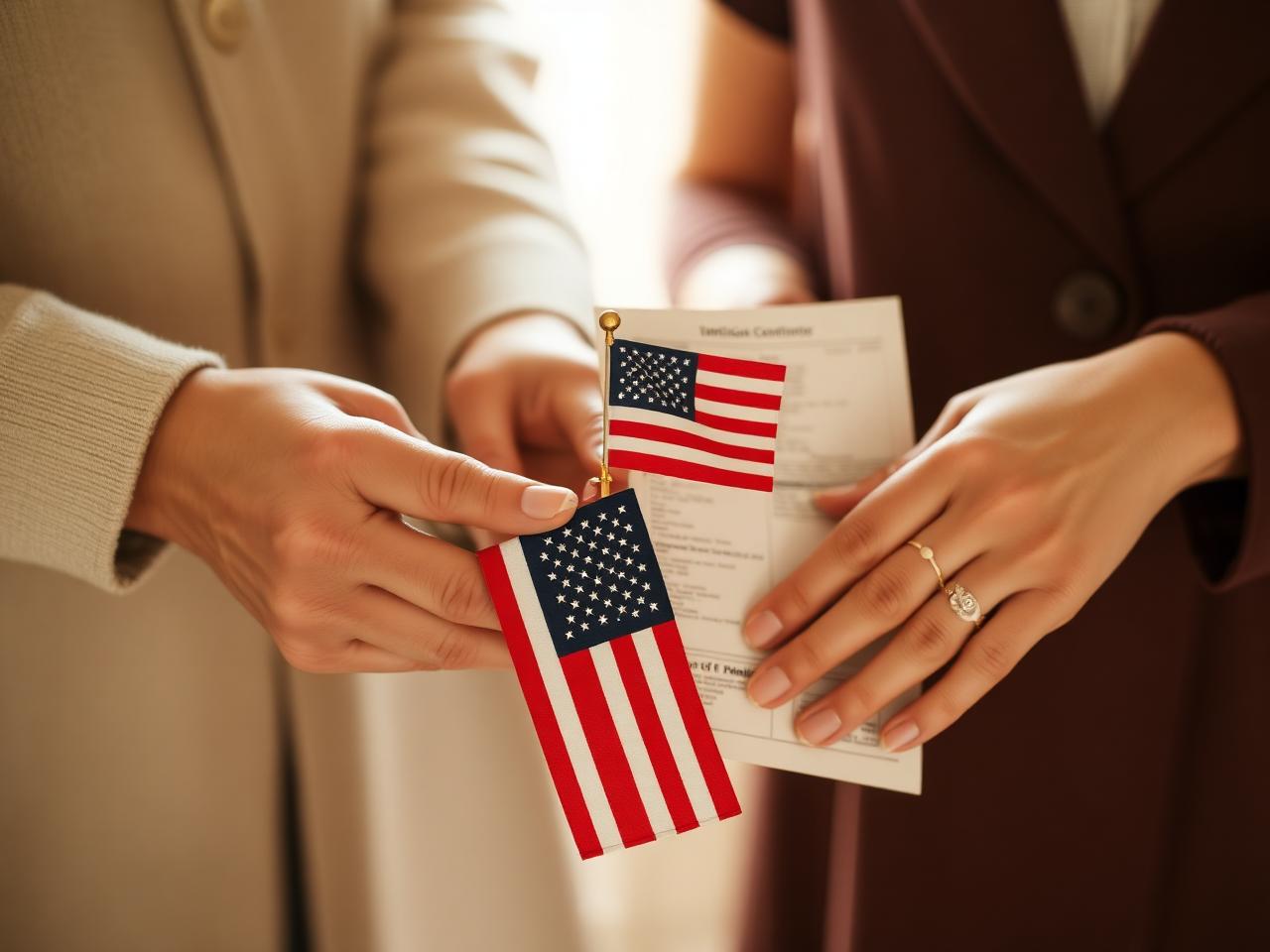
Concurrent filing, work and travel authorization, and life while the case is pending
For most family-based and employment-based adjustment cases, the I-130 or I-140 visa petition can be filed concurrently with the I-485 adjustment application. That concurrent filing also opens eligibility for an I-765 employment authorization document and an I-131 advance parole travel document — both of which allow the applicant to work and travel while the case is pending, often within four to six months of filing.
We file these concurrent applications carefully, because the work and travel documents have practical consequences of their own. Travel on advance parole, while permitted, has implications for prior unlawful presence and for inadmissibility analysis that need to be evaluated case by case. Employment on the EAD must comply with the underlying eligibility category. Our role is to make sure the applicant can live a normal life while the case is pending without inadvertently undermining the case itself.
Marriage-based adjustment and the bona fide relationship
Most family-based adjustment cases are filed through marriage to a United States citizen or lawful permanent resident, and most marriage-based cases are subject to particularly close scrutiny by USCIS. The agency is required by law to evaluate whether the marriage was entered into in good faith — a real relationship, not one created for immigration purposes. That evaluation occurs at the interview, where both spouses are typically present, and where the officer asks detailed questions about how the relationship developed, how the household functions, and how the two lives are intertwined.
We build the bona fide marriage record with the care a fraud unit would. Joint financial accounts, joint leases, joint utility bills, joint insurance, joint travel, photographs across time, communications history, statements from family and friends, and a coherent personal account from each spouse — all of these become part of the file. We prepare both spouses for the interview through mock questioning, walking through the questions together so the real interview feels familiar. Marriage cases that are properly prepared are approved at the interview. Marriage cases that are not properly prepared are not.
Most family-based adjustment cases are filed through marriage to a United States citizen or lawful permanent resident, and most marriage-based cases are subject to particularly close scrutiny by USCIS. The agency is required by law to evaluate whether the marriage was entered into in good faith — a real relationship, not one created for immigration purposes. That evaluation occurs at the interview, where both spouses are typically present, and where the officer asks detailed questions about how the relationship developed, how the household functions, and how the two lives are intertwined.
— Law Offices of Scott Gordon, PC

The medical examination, the affidavit of support, and the procedural details
Adjustment cases require a medical examination conducted by a USCIS-designated civil surgeon, an I-693 form completed and sealed at the examination, and an I-864 affidavit of support signed by the petitioning sponsor and any joint sponsors. Each of these has its own requirements, and each is a place where cases get delayed or denied for technical reasons that have nothing to do with the underlying merits.
We coordinate the medical examination, identify the right joint sponsor when the petitioner does not meet the income threshold alone, and prepare the I-864 with the documentation USCIS will require — tax transcripts, employment letters, asset evidence, and where needed, joint sponsor income proof. We do not let the procedural pieces become the reason a strong case is delayed by a year of requests for evidence.
The interview — the moment everything comes together
The adjustment interview is conducted at a USCIS field office and is, in most cases, the final step before approval. The officer reviews the file, asks the applicant about prior immigration history, employment, and any issues raised by the documentation, and makes the final determination. For marriage cases, the interview typically includes both spouses and may involve separate questioning if the officer has concerns about the relationship.
We accompany every client to every interview, prepare the client thoroughly in advance, and respond to any issues that arise during the interview itself. Many cases are approved at the interview. Others result in a request for evidence that we then respond to in writing. A small number result in denials, which can be challenged through motions or, in some cases, through the filing of a new petition. Whatever the outcome, we are with the client through the next step, and we do not consider the case closed until the green card is in hand.
After the green card — conditions, removal of conditions, and naturalization
For marriage-based green cards issued within two years of the marriage, the initial residency is conditional. A joint petition to remove conditions, the I-751, must be filed in the ninety-day window before the second anniversary of the green card. Where the marriage has ended in divorce, in death, or in domestic abuse, a waiver of the joint filing requirement is available, but it requires careful preparation and supporting evidence.
For all green card holders, naturalization becomes available three or five years after the grant, depending on the basis. We handle the I-751, the N-400, and any related issues — including any criminal history that needs to be addressed before naturalization — as part of a continuous client relationship. The green card is a milestone, not the end of the journey, and our office is built to walk that journey with our clients.
Related Immigration Law services



Every case starts with a conversation.
Whether it's a charge that won't wait or an immigration matter that's been weighing on you, talk to Scott directly. Confidential. No obligation.
- 35+ years of trial experience
- Available 24/7 for urgent matters
- 5.0 rating on Avvo · 179 reviews